What Are Different Factors For Medical Alert Devices Comparison?
Compare medical alert devices with confidence. Learn key factors like response speed, fall detection, GPS tracking, comfort, and pricing before choosing.
Disclaimer: This article is for informational and educational purposes only and should not be considered medical, safety, or financial advice. Always consult professionals when evaluating health or safety devices.
Choosing a medical alert device can sometimes be a confusing process, as the decisions about safety have real consequences. You want reliable protection, but options for the devices, pricing models, and list of features make it difficult to compare. Meanwhile, concerns about emergencies occurring at home or outdoors continue to come up, particularly when independence is a concern.
At the same time, choosing the wrong system could result in slow response times, poor coverage, or uncomfortable wearables that are not used. Therefore, device comparison becomes a necessity rather than a choice.
In this article, you'll learn about the most important things to consider when comparing medical alert devices.
1. Emergency Response Speed and Monitoring Quality
When beginning your best medical alert devices comparison, response reliability should be the top priority since the device does not matter if help does not arrive quickly. After all, in an emergency, every minute counts.
Therefore, seek systems that are connected to professional monitoring centers that are operational 24/7. These centers should respond in seconds, evaluate the situation, and send emergency services or call family members as needed.
In addition, ask how calls are handled. Some services provide multilingual support while others offer a personalized emergency profile so responders know medical conditions immediately.
Also, confirm if monitoring agents remain connected until help arrives. This constant communication gives the users peace of mind and avoids panic.
Ultimately, strong support for monitoring and ensuring assistance inside and outside of the home, which directly affects safety and peace of mind.
2. In-Home vs Mobile Coverage Options
Next, consider where protection is actually required. Many users spend much time at home, while others have active lifestyles outside. As such, device coverage is an important comparison factor.
In-home systems are usually dependent on a base station with connections over landlines or cellular networks. These systems work well within a range around the house and are good sources of protection inside the home.
However, mobile devices employ cellular networks and GPS tracking, which enable users to ask for assistance in any location where the coverage is available. This feature suits those who travel, go for walks frequently, or perform errands on their own.
Therefore, compare the coverage range very carefully. Some systems have home and mobile available options, so that protection could be flexible, depending on lifestyle.
3. Fall Detection and Automatic Alerts
While emergency buttons are useful, there may be situations when it is impossible to press them. Consequently, automatic fall detection has become an important feature of comparison.
Fall detection sensors detect sudden movements or impacts and trigger an emergency alert if a fall is suspected. This feature is particularly useful for seniors or people with mobility problems.
Nevertheless, accuracy differs from device to device. Some systems have a good balance of sensitivity, and some may generate false alarms or fail to detect incidents. Therefore, understanding the performance of the device and knowing user reviews helps avoid unnecessary disruptions.
4. Device Comfort, Design, and Wearability
Even the best technology is ineffective if people choose not to wear it. Hence, comfort and design play a major role in device comparison.
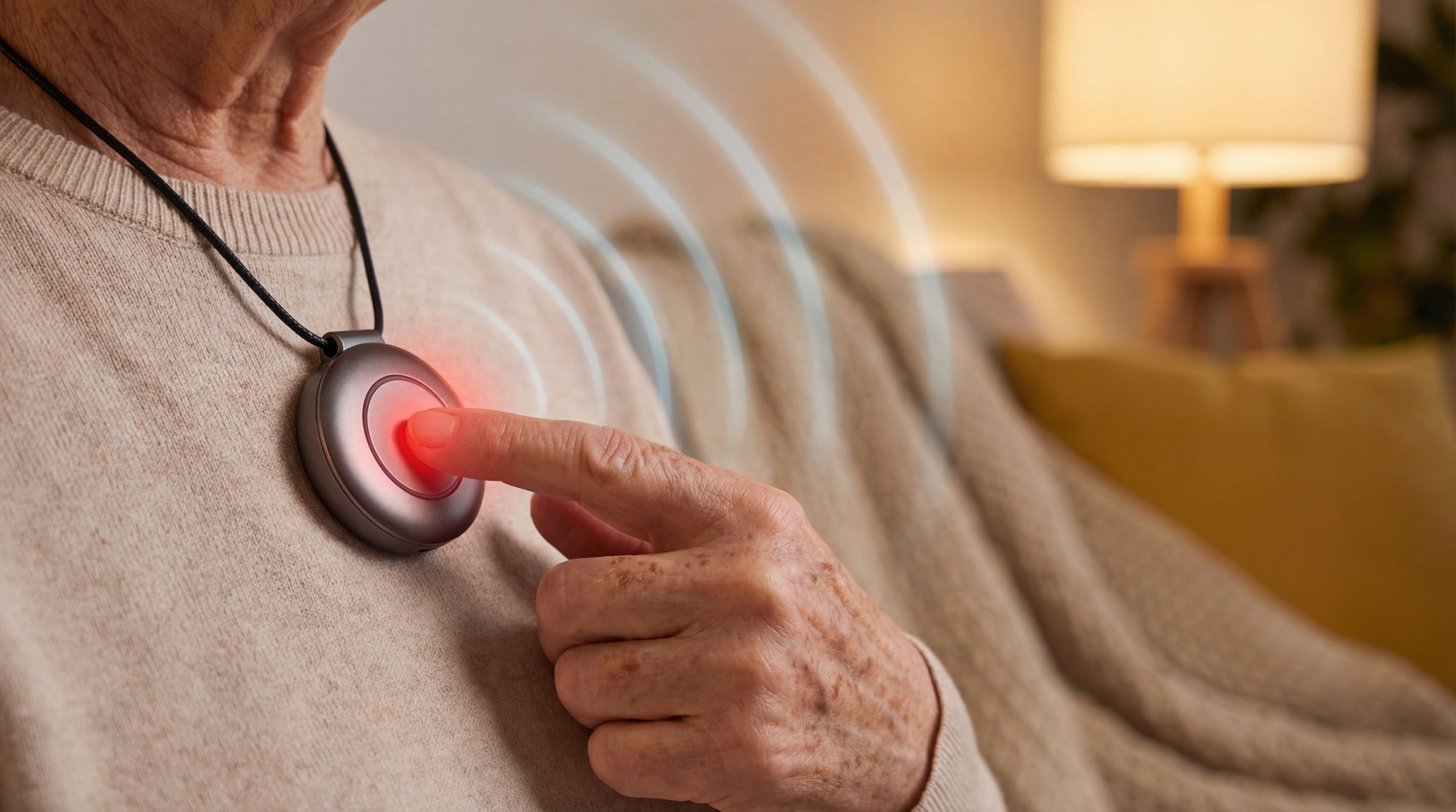
Medical alert devices are now produced in the form of pendants, bracelets, and small mobile units, to give users the freedom to choose the option that feels most natural. Lightweight designs promote daily use, while waterproof designs are great for even the bathroom, where falls are a common occurrence.
Furthermore, discreet designs lower the hesitancy of wearing devices in public places. Modern options look more like a fitness tracker or even basic jewelry, which blend in very well with general day-to-day life.
In addition, battery life is important. Devices that need to be regularly charged might be overlooked or unplugged, creating gaps in protection.
Therefore, focus on comfort and ease of use to help ensure proper and continuous use and safety coverage.
5. GPS Tracking and Location Accuracy
Another important aspect for comparison is location tracking, especially for mobile systems. In emergencies, responders need to be able to quickly determine where help is required.
GPS-enabled devices enable the monitoring center or family members to identify the location of a user during an alert. This feature is particularly beneficial for people who travel alone or have problems with their memory.
However, not all GPS tracking performs equally. Some devices give exact real-time location, while others indicate estimations of areas. Therefore, knowing the accuracy of tracking is essential to prevent delays in cases of emergency.
Moreover, some systems enable caregivers to monitor locations via apps or portals, giving caregivers peace of mind without having to constantly call.
Ultimately, effective location tracking allows for more efficient responses and independent living with the added safety assurance.
6. Pricing Transparency and Contract Flexibility
Finally, pricing structures significantly influence device selection. Many systems involve monthly monitoring fees, equipment costs, and optional feature charges. Therefore, reviewing pricing carefully prevents unexpected expenses.
Look for companies offering transparent pricing without hidden activation or cancellation fees. Additionally, contract flexibility matters because needs can change over time.
Some providers offer month-to-month plans, allowing easier adjustments if circumstances shift. Others require long-term commitments, which may not suit everyone.
Also, compare what each plan includes. Sometimes slightly higher monthly fees cover equipment, fall detection, and monitoring services together, resulting in better overall value.
Final Thoughts
Comparing medical alert devices becomes easier when focusing on essential factors instead of marketing claims. By evaluating response quality, coverage, fall detection, comfort, GPS accuracy, and pricing, you create a practical checklist guiding smarter decisions.
Ultimately, the right system supports independence while ensuring help remains accessible whenever needed. Careful comparison today can prevent uncertainty tomorrow, helping you or your loved ones live confidently with reliable protection always within reach.