How to Lower Car Insurance: A Comprehensive Guide
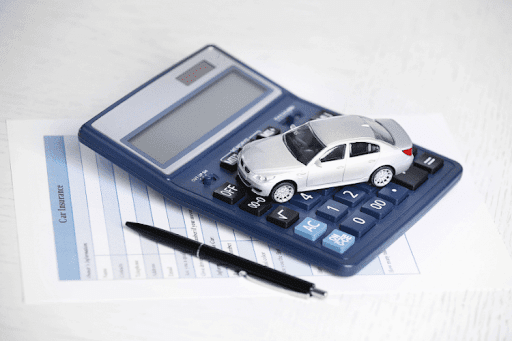
Car insurance is important for every driver, but the rising costs of coverage can be challenging to deal with, leaving many drivers wondering why car insurance is expensive in the first place. If you're looking to reduce your auto insurance costs, there are many strategies you can use without sacrificing coverage. This guide will walk you through practical steps to help you get cheaper insurance.
Tips on Lowering Car Insurance Costs
Auto insurance companies look at many factors when determining car insurance rates. But with the right approach, you can manage and even lower your car insurance costs. Here's a detailed look at the best strategies:
Increase Your Deductible
One of the simplest ways to lower your car insurance premium is by increasing your deductible. The deductible is the amount you'll pay out of pocket before your insurance kicks in. When you choose a higher deductible, you can reduce your monthly or yearly premiums.
For example, if your deductible is $500, consider raising it to $1,000 or more. It will lead to lower car insurance premiums. However, make sure you can comfortably afford the higher deductible in case of an accident. This strategy works best if you're a safe driver and rarely make claims.
Compare Rates from Multiple Insurers
Not all insurance companies charge the same rate for similar coverage. Plus, they measure factors differently. Insurance costs can vary significantly between providers and car insurance rates by state for the same level of coverage. This is why you should compare rates from different insurers to find the best deal.
Get car insurance quotes from several companies. You can use our online tool to compare rates from multiple top providers. We are careful to examine the same coverage limits and deductibles to get an accurate comparison.
Check Insurance Costs When Buying a Car
When you buy a new or used car, always consider how much insurance you will pay for it. Some vehicles are more expensive to insure than others due to factors such as the car's repair costs and the likelihood of theft.
Luxury, sports, new, and high-performance vehicles often come with higher premiums because they are more expensive to repair and more likely to be stolen, which makes car theft coverage more costly. Cars with a strong safety record and lower repair costs have lower insurance premiums.
Reduce Coverage on Older Vehicles
Providers offer different coverage levels, some giving more protection than others. The best way to approach this is to find enough coverage without paying too much. For example, if you have a new car, comprehensive coverage is a good choice as the vehicle is more valuable.
But if you own an older car, you may not need the same level of coverage as you would on a new vehicle. The maximum amount an insurer will ever pay for your car if it's totaled or stolen is its Actual Cash Value (ACV), which is what it was worth right before the incident, minus your deductible.
As your vehicle ages, it loses value, meaning the annual cost of the comprehensive and collision coverage may be close to or even more than the maximum payout you would receive. Therefore, only buying the state minimum coverage required makes more sense financially.
Minimum limits will still cover property damage and medical expenses of other drivers, so it meets the basic insurance needs.
Work on Your Credit
Insurers often use credit scores to assess risk, with a good credit score leading to lower premiums. Providers see people with bad credit as more likely to file claims, which increases insurance costs. Drivers with poor credit scores can get cheaper auto coverage by improving their credit.
You should pay bills on time and reduce outstanding debts to improve your credit. Also, monitor your credit report regularly for any inaccuracies. Even small improvements in your credit score can lead to more savings on your premiums over time.
Maintain a Good Driving Record
Insurers reward drivers who maintain a good driving record with lower premiums. If you have a history of accidents or traffic violations, your rates may be higher. According to a paper on the relationship between traffic rule violations and accident involvement, drivers who have shown risky behavior in the past are more likely to cause another accident or file another claim.
People with a DUI in their record see double or even triple premiums. At-fault accidents and speeding violations result in lower decreases.
Improving your driving record can help you get a cheaper insurance policy. According to Scheuerman Law, most insurers have a "lookback" period of three to five years. After an incident falls outside of that window, you should see lower rates as long as you do not get any moving violations.
Pay Out of Pocket for a One-Car Fender Bender
If you're involved in a minor accident, such as a one-car fender bender, consider paying out of pocket for the repairs rather than filing a claim. Filing a claim for small accidents can increase your car insurance premiums in the future, as insurers may see you as a higher risk.
If the damage is minimal and you can afford the repair costs, it makes sense to avoid involving your insurer. This will help keep your premiums from increasing due to a history of frequent claims.
Save on Car Insurance Today
Explore and compare rates from over 50 top insurance companies, including Progressive, Travelers, AAA, and Nationwide, to find the best car insurance deals.
Get Your Free Quote- No lengthy forms
- No spam or unwanted calls
- Quotes from trusted insurance providers
How to Get Cheaper Car Insurance: Auto Insurance Discounts
Many insurers offer multiple discounts based on factors such as your driving behavior, the safety features in your car, mileage, and even your academic performance. Taking advantage of possible discounts from insurance companies is another good way to get cost-effective coverage. Here are some common discounts:
Safety Features
Many insurance companies offer discounts for vehicles that have safety features such as automatic seat belts, airbags, backup cameras, lane assist, and brake assist. Cars with advanced safety features are less likely to be involved in accidents, which reduces the insurer’s risk and can result in lower premiums.
Anti-theft Features
Insurance providers often offer discounts for vehicles with anti-theft features such as alarm systems, electronic tracking devices, or immobilizing devices that prevent the car from starting. These features make your car less likely to be stolen, which reduces the risk to the insurer. If you live in areas with high vehicle theft rates, getting these anti-theft features can help lower costs.
Good Student
If you're a young driver with good grades, you may qualify for a good student discount. Many providers offer auto insurance discounts to students who maintain a good average.
According to USAA, most states allow drivers under 25 to access this discount as long as they are a full-time student in high school, college, vocational, or technical school. It can help you save up to 10% on insurance. As for the grade, you must meet one of these standards:
- Dean's list
- Rank in the top 20% of the class
- Letter grade average of B or better
- Grade point average of at least 3.0 on a 4.0 scale
- Honor Roll or a comparable standing
Safe Driver
If you have a clean driving record and haven’t been involved in any accidents or received any traffic violations, you may qualify for a safe driver discount.
Insurers value drivers who have shown safe driving habits and reward them with lower premiums. They see these drivers as likely to continue these good driving habits. This is one of the best ways to get the cheapest car insurance in Florida and other expensive states.
Defensive Driving and Accident Prevention Course
Completing a defensive driving or an accident prevention course can lead to discounts on your car insurance. These courses teach you safe driving practices, which translates to fewer payouts for your provider. Also, the time and effort required to complete these courses show a commitment to safe driving.
Low Mileage
If you don’t drive your car much, you may be eligible for a low-mileage discount. Insurers often offer discounts for drivers who rarely use their cars, as less time on the road reduces the chances of accidents.
Usage-Based Insurance (UBI) Program
Some insurance companies offer usage-based insurance programs, where your premiums are based on how much you drive and how safely you drive.
If you're a low-mileage driver or always exhibit safe driving behavior, you may save money with this type of program. An example of this is Progressive's Snapshot program, which tracks time of day, speed changes, hard braking, mileage, and phone use.
Multi-Policy Bundling
If you buy coverage for multiple cars with the same insurer, they may offer you a discount. Companies usually offer discounts to customers who insure more than one vehicle under the same policy.
Full Premium Payment
Some insurance providers offer discounts if you pay your premium in full rather than in monthly installments. If you can afford to pay your premium upfront, this can be a great way to save money.
Professional Organization/Affiliate Group Membership
Many insurers offer discounts to members of professional organizations or affiliate groups. Insurers see members of these groups as lower-risk customers. Insuring these drivers lowers the provider's overall risk exposure and gives them access to 'pre-vetted' potential customers.
Financial institutions, alumni associations, professional trade groups, and employers/unions may qualify for these discounts depending on the company. For example, GEICO teams up with sororities, fraternities, alumni associations, and professional organizations to offer these discounts.
Car Insurance Hacks that You Should Avoid
While it's important to find ways to lower your car insurance premiums, there are some car insurance "hacks" that you should avoid. These may seem like quick fixes, but they can lead to serious consequences. They include:
Lying About Past Driving Violations and Claims
It's tempting to lie about past driving violations or insurance claims in order to get a lower premium, but this can backfire. If your insurer finds out that you lied about your driving history, they could cancel your policy or refuse to renew it. Always be honest about your driving record to avoid issues.
Lying About Location and Other Personal Information
Some people try to get a lower rate by giving the wrong location or other personal information, such as their job or annual mileage. This is illegal and could lead to serious consequences, including having your policy canceled and being unable to get insurance in the future.
Leaving Drivers Off of Your Policy
If you have multiple drivers in your household, it's important to add them to your policy. Failing to do so can lead to consequences if one of the unlisted drivers is involved in an accident. Always make sure that all drivers who use your vehicle are on your policy.
ThinkSaveRetire: Compare Car Insurance Quotes for The Cheapest Rates
At ThinkSaveRetire, we understand how important it is to find affordable car insurance that doesn't compromise on coverage. We offer a comprehensive tool to compare quotes from various providers so that you can save even more. You can easily compare prices and discounts to get the best deal possible.
So if you want the cheapest car insurance in California or rates for your specific age and driving record, ThinkSaveRetire provides a user-friendly platform to simplify the process. Take advantage of our quote comparison tool today and start saving on your car insurance premiums.
Frequently Asked Questions
What's the Best Way to Get Cheaper Car Insurance?
The best way to get cheaper car insurance is to compare quotes from multiple insurers, increase your deductible, maintain a clean driving record, improve your credit score, and take advantage of discounts. Also, reducing coverage on older vehicles can help lower your premiums.
What Can Reduce Your Car Insurance?
Several factors can reduce your car insurance costs, including maintaining a clean driving record, improving your credit score, completing a defensive driving course, installing safety and anti-theft features in your vehicle, and bundling your auto insurance with other policies.
What Makes a Car Cheaper to Insure?
Cars that are less expensive to repair, less likely to be stolen, older, and have safety features are cheaper to insure. Also, vehicles with a strong safety record and low accident rates tend to have lower premiums.
Do Parking Sensors Reduce Insurance?
Parking sensors and other safety features, such as backup cameras and automatic emergency braking, can help reduce your car insurance premiums. These features reduce the risk of accidents, making you a lower-risk driver in the eyes of insurers.
Conclusion
Lowering your car insurance premiums is easy when you understand the factors that affect your rates and make use of the tips above. Remember, car insurance rates can vary depending on your age, credit score, vehicle, and driving history. Stay proactive by reviewing your policy and adjusting it as needed.
Reference List
- Ahmed, Mohamed Shawky, et al. The Relationship between Traffic Rule Violations and Accident Involvement Records of Drivers. (2016, 07/16) ResearchGate.
- Scheuerman, Mark. How Long after a DUI Does Your Insurance Go Down? Complete 2025 Timeline Guide. (2025, 30/11/25) Scheuerman Law LLC.
Save on Car Insurance Today
Explore and compare rates from over 50 top insurance companies, including Progressive, Travelers, AAA, and Nationwide, to find the best car insurance deals.
Get Your Free Quote- No lengthy forms
- No spam or unwanted calls
- Quotes from trusted insurance providers