Tips and Tricks to Save Money With a VPN
Learn how a VPN can save you money on flights, streaming, subscriptions, and shopping by unlocking regional pricing and protecting your privacy online.
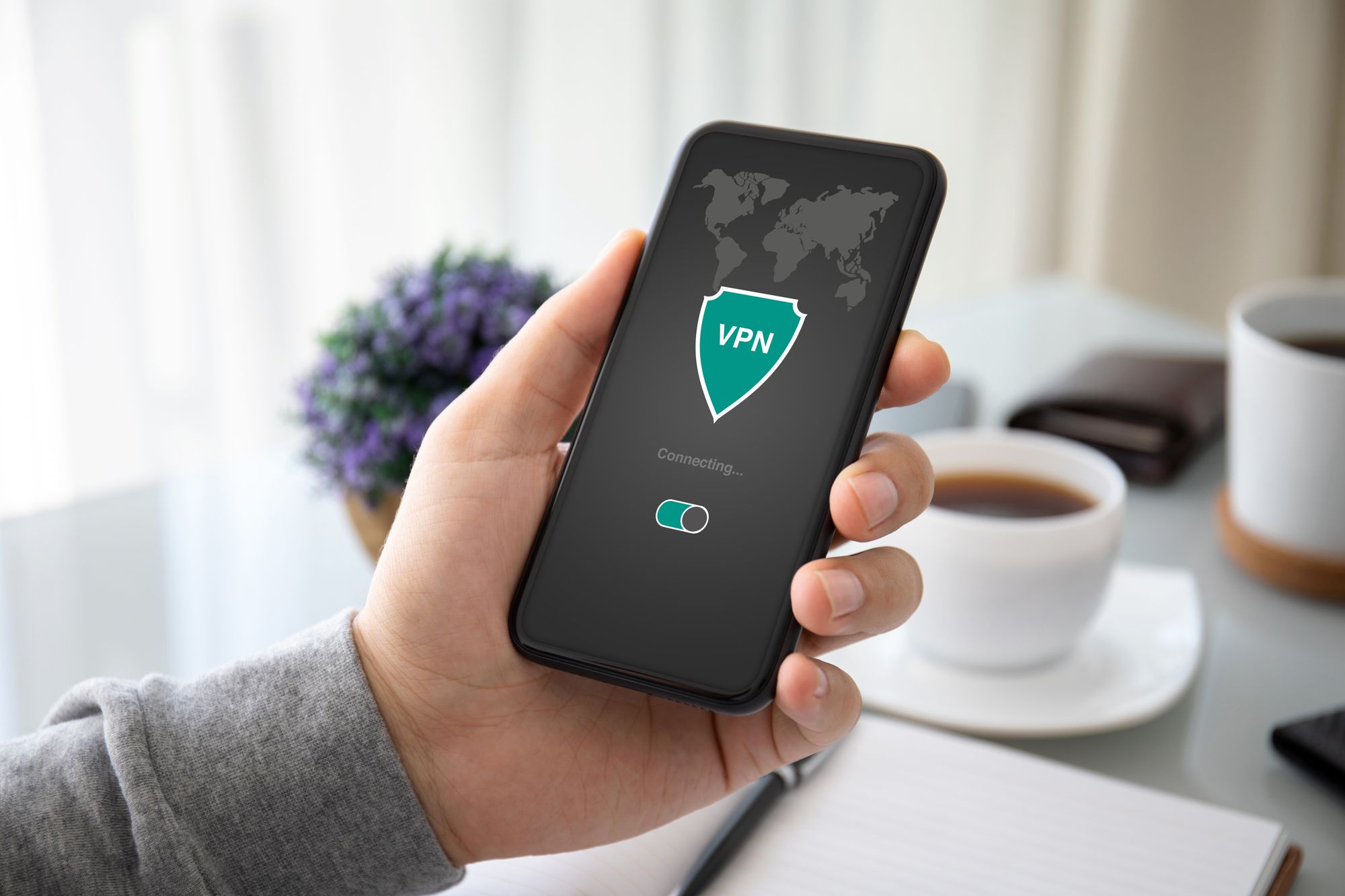
VPNs are well-known for protecting users’ privacy. Yet, many people don’t know that there’s another use for VPNs that can help you save money. Online prices are far from consistent. They change based on your country, how often you visit a site, or sometimes just what device you’re on. That’s where a VPN quietly becomes a money-saving tool.
What a VPN Really Does
At its core, a VPN changes how websites see you. It sends your connection through another server somewhere else, like Canada, Japan, or Germany. The site you’re visiting reads that new location, not your actual one.
Why does that matter? The price of things online seems to depend on where you are in the world. From airlines and travel agencies to streaming platforms and even app stores, the prices for things can depend on where you’re located. By switching your server, you can often check those prices from another region and spot better deals. Sometimes the difference is small; other times, it’s enough to cover dinner on your next trip.
Using VPNs for Online Entertainment
Streaming platforms are one of the most obvious examples. Netflix, Spotify, Disney+, and YouTube Premium all offer different subscription rates around the world. If you use a VPN to “appear” in another country, you might see lower monthly prices. It’s not magic, just geography and market economics.
The same idea applies to online gaming to get better prices for an Xbox Game Pass subscription. Otherwise, you might want access to specific games that are only available in specific locations. The same method applies to online casinos. Some players use VPNs to reach casino sites that are restricted or have more bonuses than those available in their region.
“How to access gambling sites using a VPN” and “where is the best VPN location for online casinos” are some common searches amongst players. Results of these searches offer resources that explain how to use these VPNs safely and what signs to look out for in a VPN-friendly casino. These VPNs are especially useful when options are limited, as they offer players more choices that contribute to a better playing experience.
Travel Deals From a Different Angle
Flight and hotel prices are notorious for changing constantly. You might look up a ticket in the morning, then check again later, only to find it’s jumped by $60. That’s not random. Travel sites track your visits and adjust prices to push you toward a purchase.
Using a VPN can level that out. Try connecting from another country, clear your cookies, and search again. You might see a lower rate, especially from regions with lower average incomes or higher competition between airlines. Some people go a step further and compare prices across three or four locations before booking. It takes a few extra minutes, but the savings can be real (and on long trips, they add up fast).
A quick reminder: always check the currency and any conversion fees. What looks cheaper at first glance might not be once your bank adjusts the rate. Also, using a travel credit card to make these bookings can provide added benefits like free lounge access and points back on your spending.
Software and Subscriptions Can Differ Too
Software companies love regional pricing. Adobe, Microsoft, and antivirus brands all charge different amounts depending on the local economy. Using a VPN lets you see those local prices before you buy. In many cases, it’s perfectly fine to purchase at those rates; in others, the terms of service might restrict it.
Even small tools, like writing apps or cloud storage, often cost less elsewhere. If you’re already paying monthly, those differences can shave off a fair bit over a year. It’s not a loophole. It’s the same product, just differently valued.
Privacy Adds Another Layer
There’s also a privacy angle here that ties back to savings. Websites track you not just with cookies but with “fingerprints”, which are little data points about your location, device, and habits. Once they see you returning to the same product, they often raise the price slightly. A VPN hides your IP, breaking that chain of identification.
This doesn’t just help with online shopping. Say you’re using public Wi-Fi at a hotel or café, turning on your VPN will encrypt your activity so that nobody can steal your data, like banking information.
Picking the Right VPN
Saving money with a VPN isn’t going to work if you only use the free ones. Yes, it seems like a great deal, but most of them end up slowing down your connection and cluttering your screen with ads. Even worse, some of them make their money by selling your user data, which is exactly what you’re trying to avoid by using a VPN. Paying a few dollars each month is worth it. You get faster speeds, cleaner browsing, and some assurance that your information isn’t floating around in a data broker’s file somewhere.
When you start looking at paid options, speed is usually the first thing that matters. A lagging connection can cause bookings to fail halfway through or a payment page to freeze right when you’re about to click “confirm.” Then there’s the question of how many servers the VPN actually has. More locations mean more opportunities to test regional prices. A smaller network works too, but it limits your flexibility.
Privacy policies deserve a close look. The phrase “no-logs” gets thrown around often, but not every company sticks to it. The good ones make it clear that your browsing history isn’t being stored or shared. It’s a quiet promise, though it’s the detail that separates a true privacy tool from another middleman collecting data.
Extra features come into play once the basics are covered. Some VPNs include a “kill switch” that cuts your internet if the encrypted tunnel drops. That may sound technical, but in practice, it prevents your real IP from slipping through during a disconnect. It’s the sort of safety net you hope never to use, yet you’ll be glad it’s there.
Certain names appear again and again when people talk about reliable providers. NordVPN, Surfshark, and ExpressVPN have built that reputation by being consistent with fast servers, straightforward apps, and clear terms about privacy. There are plenty of other services out there, but these three tend to deliver without much drama. They’re not perfect, but they stay out of your way and do what they’re supposed to do. That’s often all you need.
Some Things to Watch Out For
VPNs don’t always guarantee savings. Certain sites detect VPN traffic and block access, while others show different prices but reject foreign payment methods. If you see a deal that looks too good, pause and double-check. Exchange rates, taxes, or international fees can eat into your savings.
It’s also worth noting that using a VPN might technically go against a company’s terms of service. Most of the time, that only leads to an error message or denied transaction, but it’s still smart to understand the rules.
Day-to-Day Use Beyond Deals
Outside of travel and subscriptions, a VPN can help you shop more fairly online. Retailers often track returning visitors and show them higher prices. Connecting through a VPN and clearing your cookies gives you a “fresh” profile, meaning you’ll see what new customers see.
Conclusion
A VPN might seem like a simple privacy tool, but it can quietly influence what you pay for things online. Whether it’s cheaper flights, software, or streaming plans, switching your virtual location opens new possibilities.
That said, it’s not a guaranteed discount machine. Prices change constantly, and not every region will offer a better deal. The trick is to use it thoughtfully. You want to test a few servers and read the terms before buying. With a good VPN, you can browse more freely, spend less, and protect your data at the same time.